Housed within the Division of Student Affairs, the department of Access, Attainment and TRiO administers the university's federal TRiO and other access and attainment programs. The Attainment and Access Research (AAR) Lab conducts and provides research findings on issues of educational access and attainment to support evidenced-based programming at DePaul that serves students (1) from a first-generation college background, (2) from a low-income family, (3) with disabilities, and/or (4) facing financial disadvantages or life circumstances such as housing and food insecurities.
The Access and Attainment Research Lab research and practices aim to contribute to discussions about improving the educational experiences and outcomes of students (1) from a first-generation college background, (2) from a low-income family, (3) with disabilities, and/or (4) facing financial disadvantages or life circumstances such as housing and food insecurities. The AAR Lab uses a range of approaches to identify, understand and change barriers affecting college students’ academic and social progress. We work with these students to examine
variables that explain their participation in higher education. We focus on students’ experiences and outcomes, and develop services/practices on issues aimed to reduce the existing disparity in college access and attainment.
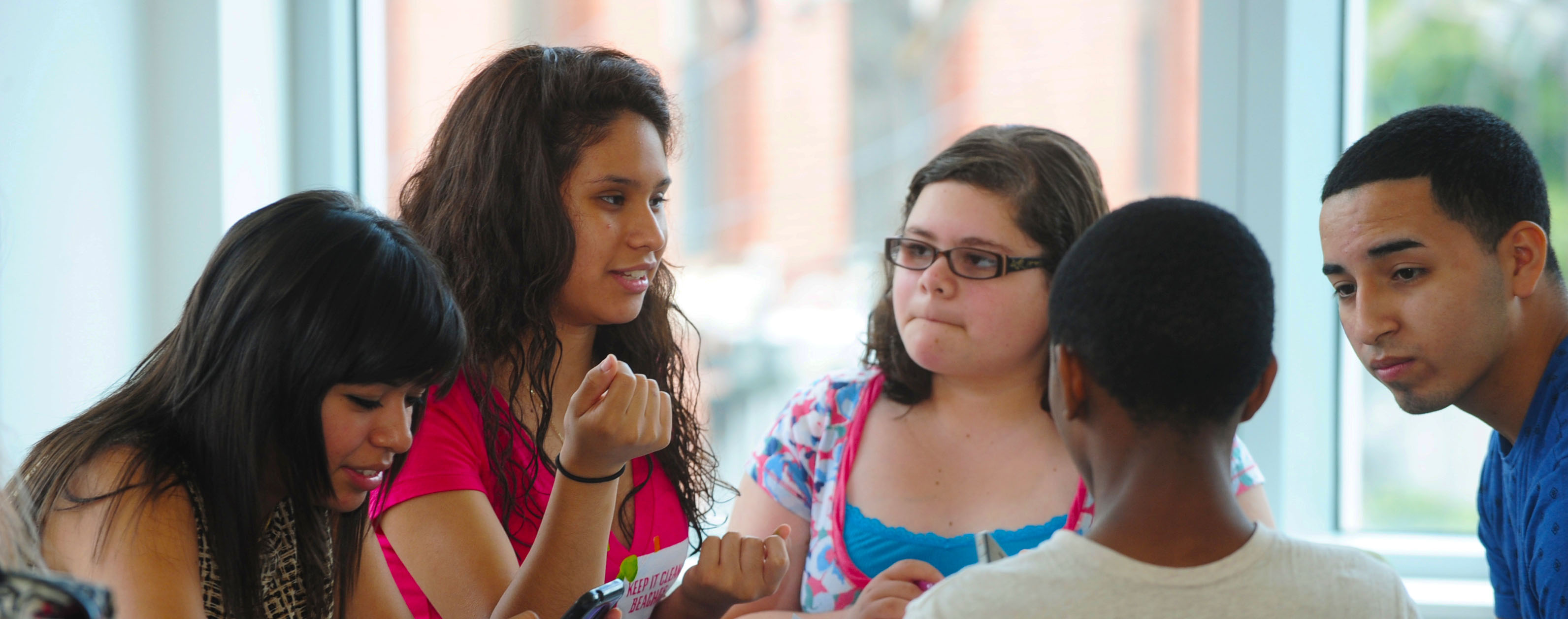
Lab participants work with AAR program staff on mixed-methods studies and learn interview transcription, quantitative data collection, data entry and management, and data analysis. Students also have the opportunity to create an independent research project in the context of the larger study.
In addition to hands-on training in conducting and analyzing research, focused research skills workshops are offered by AAR Research Lab faculty fellows and
McNair Scholars Program staff, as well as career-focused workshops led by
DePaul Career Center staff.
The experience of working on these research projects provides students with practical skills to use in future research endeavors and helps students develop critical supportive networks (e.g., with peer-mentor, graduate students, and faculty member) that serve as guidance to make decisions regarding their future academic development and research interests.