Global Conversations sessions are 90-minute lively Zoom synchronous sessions in which students from several international partner institutions interact in a guided, facilitated manner on a list of global topics. In these sessions, DePaul faculty members have partnered with faculty from our international partner universities from countries including Brazil, India, Japan, Mexico, Nigeria, Australia, the UK and more. These dynamic sessions have cultivated intercultural, meaningful discussions on how global issues affect various academic disciplines and industries, such as psychology, public health, business and more.
Global Conversations throughout the world
Since March 2020, DePaul, in collaboration with over 270 faculty facilitators from 79 international institutions, has conducted several rounds of Global Conversations hosting over 4,400 students from 6 continents. The Global Conversations have been dynamic and engaging sessions where students found similarities with others all over the world, and learned more about the differences in experiences regarding global issues.
GCs 2026
The most recent round of Global Conversations took place from April 27–May 7, 2026. The sessions brought together students from around the world for meaningful discussions on a wide range of global topics. Please see the full list of Global Conversation sessions below in chronological order.
Here's what students have said:
-
"I am very interested in dialoguing with others across differences to work together to improve the future of our global family."
-
"I wanted to hear different perspectives from people worldwide on this topic and how we can come up with solutions together as a society."
-
"It was really interesting to listen to different perspectives on what culture means to different people, but at the same time being able to generally agree on the value of cultural diversity, especially ."
-
“[I will remember] the openness of the discussions we held. I felt everyone was able to speak their mind, judgment free, and could be heard. Lots of great opinions were shared, and I think that is for the benefit of everyone.”
Global Conversations 2026 Past Sessions
April 27 – May 7, 2026 · All sessions listed below have concluded.

SESSION 1 · PAST
AI, Equity, and Global Health Partnerships
The session begins with an overview of SDG 17 and the emergence of AI in global health, highlighting both the potential benefits and challenges of AI-driven approaches. Subsequently, a case study examines how partnerships such as COVAX and the World Health Organization (WHO) have used AI for vaccine distribution, addressing both the technological advantages and the challenges encountered in lower-resource settings.
Mon, April 27 · 9:00–10:30 AM CT
Molly Kachale-Netter & Leonard Malasa
|
SESSION 2 · PAST
Learning a Second Language in a Globalized World
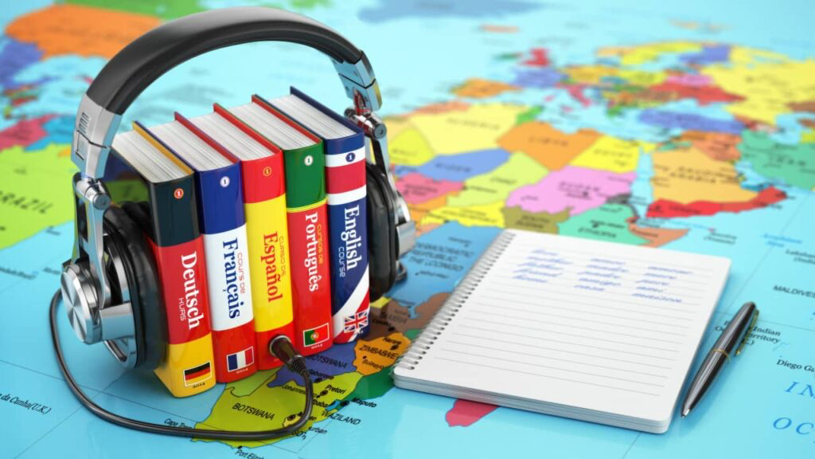
In the session, students from diverse universities will explore how language learning can promote global understanding, peace, and social justice. Through interactive activities, they will reflect on their linguistic identities, share personal experiences regarding language learning and use, and imagine fairer futures for education in a globalized world.
Mon, April 27 · 1:00–2:30 PM CT
Lourdes Torres, Ana Cad, María Gimena San Martin & Vanessa Cladera
|

SESSION 3 · PAST
Water Justice and Security
This session will bring together students worldwide to discuss how cultural values, governance structure, and economic conditions shape access to safe drinking water in different countries. This global conversation centers student voices while fostering meaningful intercultural dialogue around one of the world’s most urgent shared challenges.
Read more
By combining scientific inquiry, ethical reflection, and lived experience, the session enables students to deepen intercultural competencies while critically examining clean water as a global human right.
Mon, April 27 · 9:00–10:30 PM CT
Margaret Workman & Richa Minocha
|

SESSION 4 · PAST
Access All Areas… or Only for the Few?
The World Health Organisation reported that, at projected rates, the 2030 sustainable development goal of universal health coverage will not be met. As of 2022 26% of the world’s population are living in hardship due to health expenses.
Read more
This session will look at patient perspectives and journeys through acute and chronic access to essential medical services. Join this session to dialogue about the issues underpinning these at a national and local context, and help develop potential ways to address them!
Tue, April 28 · 9:00–10:30 AM CT
Andrew Morris, Becki MacKenzie, Silke Weber & Chirag Seth
|
SESSION 5 · PAST
Exploring Intercultural Sensitivity
This interactive session invites students from all disciplines to explore intercultural sensitivity through collaborative dialogue and shared experiences. Participants will engage in structured reflections on real-world scenarios to develop practical strategies for navigating cultural differences and enhancing global communication skills.
Read more
By fostering empathy and inclusive thinking, the session equips learners with the essential tools to thrive and lead in our increasingly interconnected world.
Tue, April 28 · 11:00 AM–12:30 PM CT
Karina Fernandes & Kelly Newlon
|

SESSION 6 · PAST
Global (Im)mobility: Challenges and Opportunities
The complexity of global mobility has increased with the rapidly development of technology, economic disparities, political instability and drastic change on migration policies. These factors have presented as both opportunities and challenges.
Read more
In this global conversation, we will use this opportunity to explore how mobility and immobility are intersected with gender, disability, labour market and other social inequalities to resources and rights. Through this debate and discussion, we will gain insights into how global mobility could promote structural equality and contribute to sustained development.
Wed, April 29 · 8:00–9:30 AM CT
Gwen Chen, Jessica Y Chiang, Ming-Yen Lee, Nelson Chong, & Robert Kiss
|

SESSION 7 · PAST
Exploring What Is Deemed "Rude" in Different Cultures
As individuals' cultural behaviours are shaped by their values, norms and beliefs in which they grow up, these dictate what is considered polite, respectful or rude in different contexts. This session will investigate what people find rude or acceptable according to their culture.
Read more
It will explain differences in perspectives using cross cultural theories and concepts.
Wed, April 29 · 12:00–1:30 PM CT
Marcus Astley, Bruce Leech & Pooja Gupta
|

SESSION 8 · PAST
A Public Health Approach to Suicide Prevention
Suicide rates are increasing globally and some groups are disproportionately affected. Suicide awareness campaigns are helpful as they build understanding, but are arguably insufficient without suitable health infrastructure for early detection, treatments and follow-up.
Read more
We will discuss a different approach to suicide prevention that moves from individual identification and management of those at risk to a holistic, public health approach to prevention.
Wed, April 29 · 5:00–6:30 PM CT
John Oldroyd, Cricel Molina de Mesa & Gea Samputon
|
SESSION 9 · PAST
Circular Economy and Sustainable Development
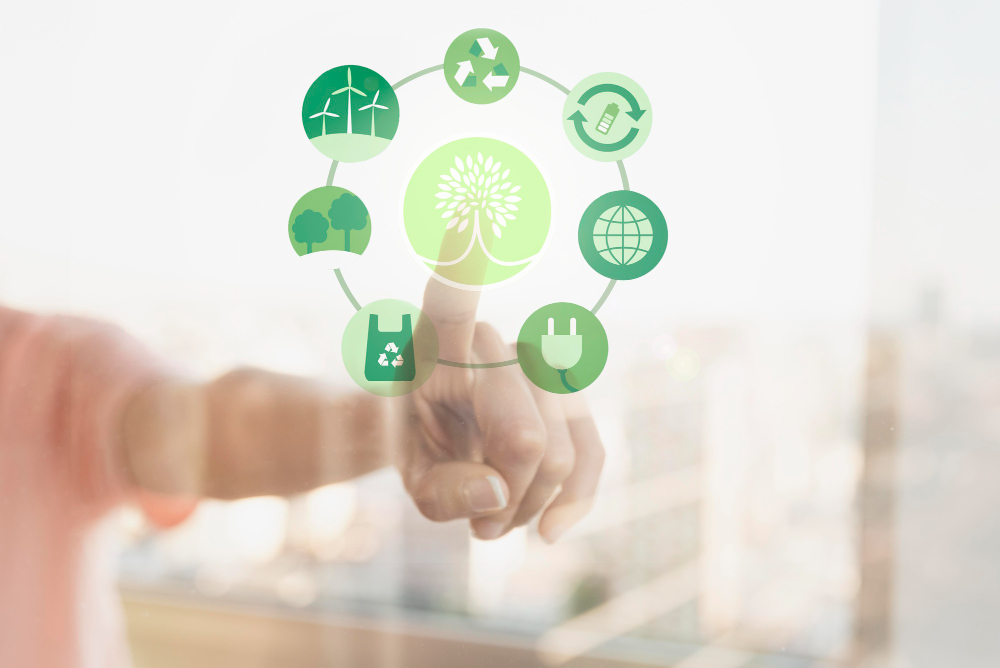
This session introduces students to circular economy principles through a comparative, practice-oriented dialogue. It aims to clarify what circular economy is, how local actors and communities can be meaningfully connected, and how alternative production and value-chain models can be designed.
Read more
Using the Sururu case from Maceió, Brazil, participants will examine social, environmental, and regulatory challenges, discuss impact measurement, and explore the role of public policy and digital tools. The session combines short inputs with collaborative group work to foster critical thinking and applied learning.
Thu, April 30 · 9:00–10:30 AM CT
Leonardo Agapito, Kumarashvari Subramaniam & Patricia Guarnieri
|
SESSION 10 · PAST
Global Alternative Modernities: Beyond Westernization
The aim of this session is to reflect on the legacies of modernization across various cultural contexts, focusing on the West, the Middle East, and Latin America. Faculty moderators will briefly touch on key legacies of modernization, such as secularization and technological progress, in order for students to reflect on them from their own lived experiences.
Read more
Students will leave this session with a deeper cultural self-awareness and with a stronger sense of respect for other cultures.
Mon, May 4 · 8:00–9:30 AM CT
Rafael Vizcaíno & Kurt Mertel
|
SESSION 11 · PAST
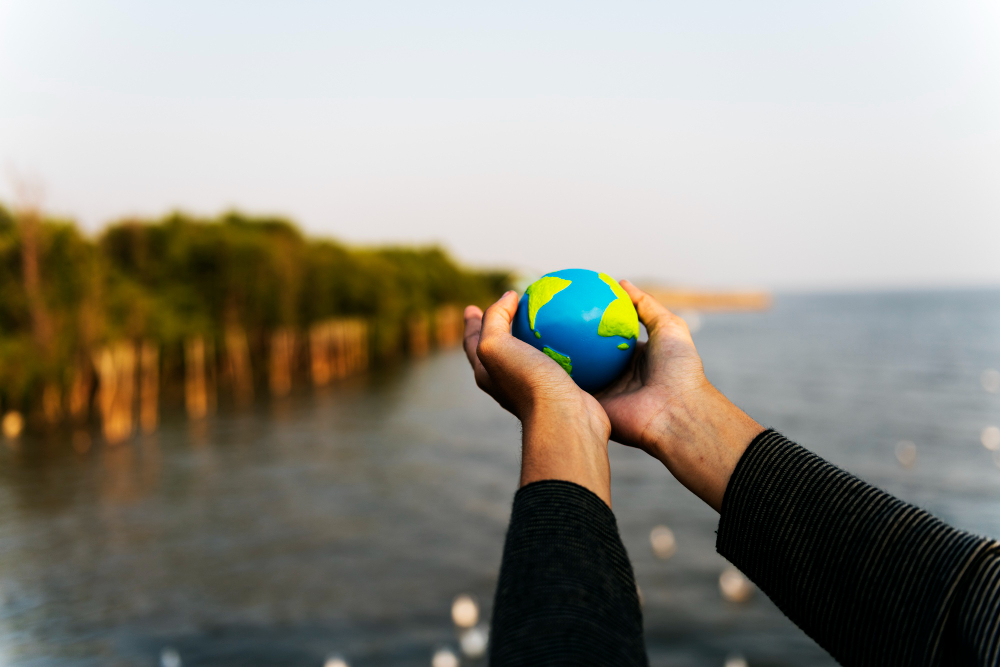
Tourism and Climate Change: How does culture impact tourist decision making?
In this session, students will share their tourism experiences from their home country or prior travels. They will engage in dialogue to find intercultural insights that inform learning from their peers, and challenge tourism decision making to reflect global climate change imperatives.
Mon, May 4 · 10:00–11:30 AM CT
Mark Potosnak, Diana Abdullah, Emel Adamiš, & Elena Koltsaki
|
SESSION 12 · PAST
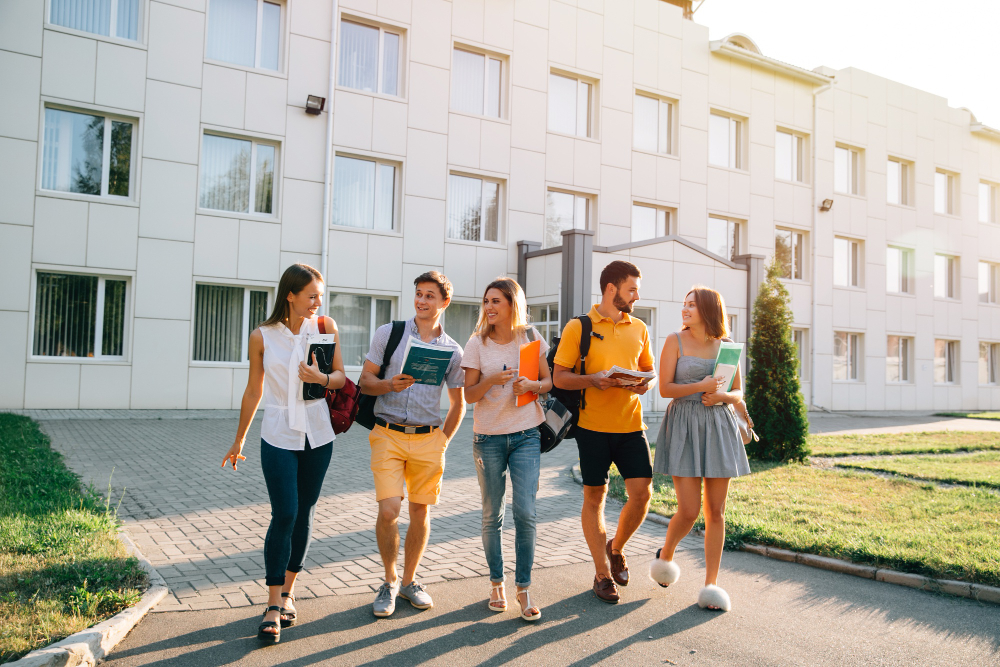
Belonging at University: What Helps, What Hurts, What's Missing?
In this conversation, students will reflect on their understanding of what constitutes a sense of community and belonging within their institutional context. They will explore the factors that enable or hinder the development of belonging during their student experience, drawing comparisons across disciplines and among specific student groups, including disabled students, neurodivergent students, and international students.
Read more
Participants will also collaborate to generate ideas and strategies for strengthening student belonging within and across institutions.
Tue, May 5 · 9:00–10:30 AM CT
Lesley McGregor, Viktoria Mileva, Jocelyn Carter & Tom Ritchie
|
SESSION 13 · PAST
The Age of Artificial Authenticity: Brands, Tourism & Consumer Trust
Generative Artificial Intelligence is changing how brands communicate, how content is created, and how consumers perceive authenticity. This session invites students from different countries to discuss how AI-generated content affects trust, creativity and brand meaning, especially in areas such as marketing, tourism and destination branding.
Read more
Through guided discussion and real examples, participants will reflect on how cultural context shapes the acceptance or rejection of AI in brand communication, and how brands can balance innovation with authenticity in a globalized world.
Tue, May 5 · 11:00 AM–12:30 PM CT
Ignacio Luri Rodriguez, Gonzalo Díaz Meneses & Karlan Muller Muniz
|
SESSION 14 · CANCELED
CANCELED Listening Across Cultures: Media, Sound & Intercultural Storytelling
Unfortunately, this session was canceled.
Wed, May 6 · 9:00–10:30 AM CT
|
SESSION 15 · PAST
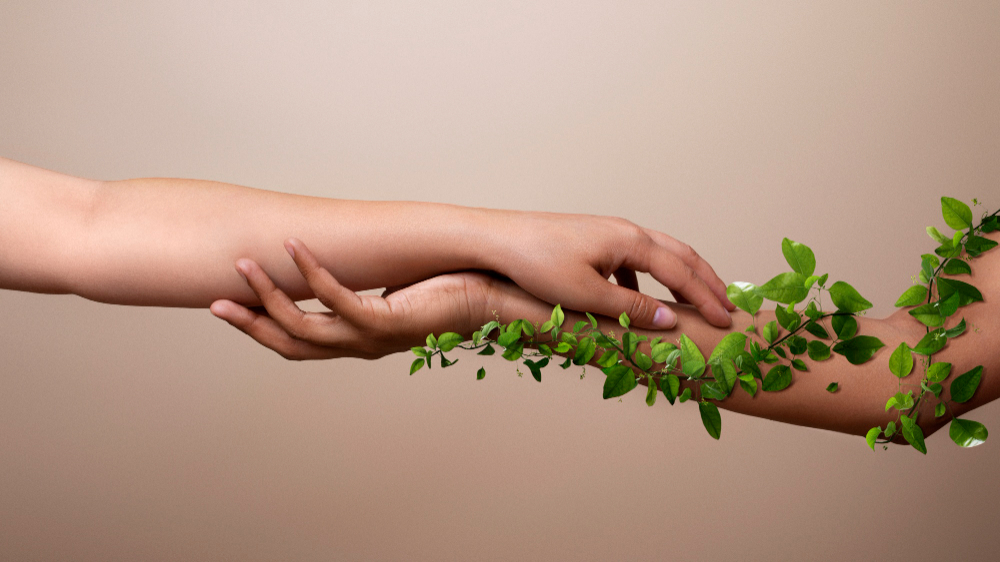
Building Bridges Across the Global South: Ecofeminist Perspectives
This session proposes several approaches to ecofeminism in India and Brazil, emphasising situated practices and women-led environmental resistance in the Global South. The session examines the intersection of gender, territory, spirituality, and ecology in postcolonial/decolonial contexts characterised by environmental violence.
Read more
The session also highlights convergences and divergences between Indian and Brazilian ecofeminisms and social justice.
Wed, May 6 · 11:00 AM–12:30 PM CT
Ivan Ribeiro & Sneha Das
|

SESSION 16 · PAST
The Future of Language-Related Professions in the Age of AI
This session invites students to critically reflect on the challenges that translators, interpreters, foreign language teachers and other language-related professions face today, taking into account the rapid development of AI. The session will focus on how AI is reshaping professional practices and transforming the labour market for language experts.
Read more
The discussion will address key questions such as: Which hard and soft skills will be essential in an AI-driven environment? Will new roles and career paths emerge? Or are some of the traditional professions at risk of disappearing?
Wed, May 6 · 1:00–2:30 PM CT
María Elisa Romano, Joseph Olivier & Julieta Salinas
|
SESSION 17 · PAST
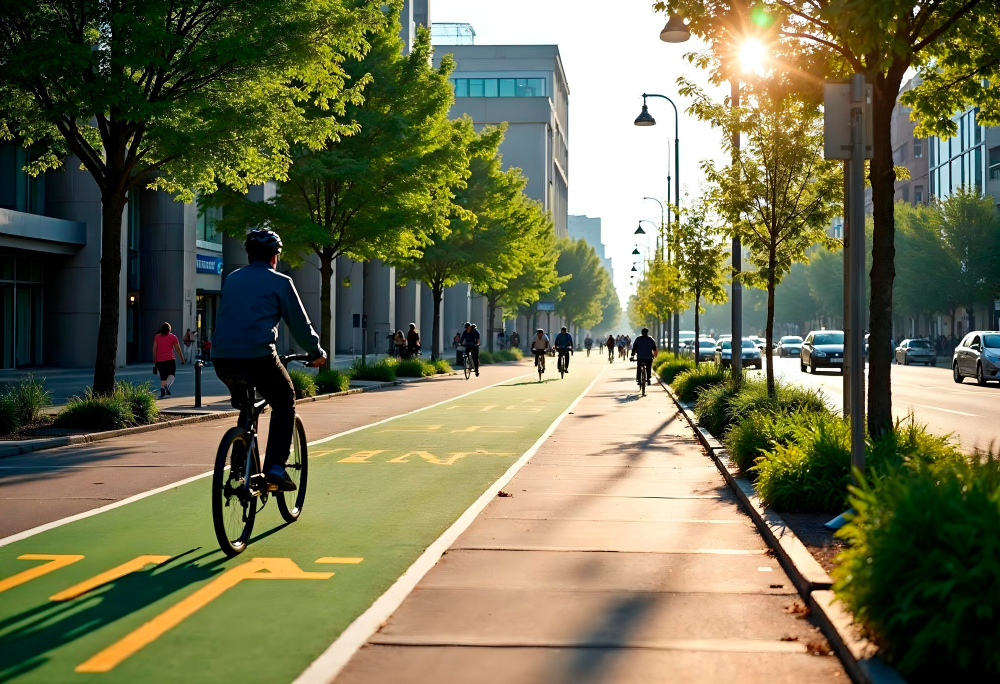
Sustainable Transport Futures
This session discusses the factors of transportation decision making. We will explore key challenges, and examines how transportation affects sustainability goals.
Read more
We’ll also discuss innovative solutions and envision a future where transportation is affordable, inclusive, and environmentally responsible.
Thu, May 7 · 9:00–10:30 AM CT
David Wang & Thuy Thanh Tran
|
|
Global Conversations 2026 sessions were free, virtual, and open to all college and university students. Each session was 90 minutes on Zoom.
For questions about future sessions, contact ci@depaul.edu
For a list of former Global Conversations conducted, please click here. For any questions, please email the Curriculum Internationalization team at
CI@depaul.edu.
Thank you to our partner institutions.